
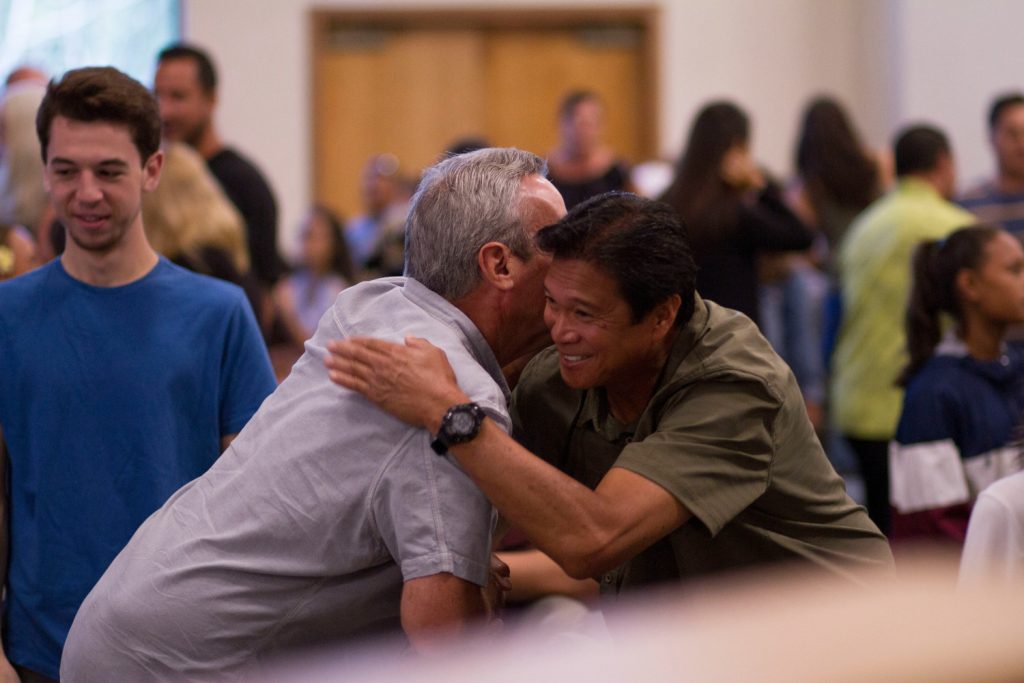
Imagine a room filled with scientists from various disciplines, most of whom are introverts, some on the spectrum, gathered for a Science Communication workshop. A few know each other, but most are strangers. The room is quiet as these participants sip their coffee and wait patiently for the workshop to start.
Cut to an hour later, and the room has become so filled with animated conversation that we have to work hard to get the group settled for the next exercise.
What happened?
These scientists shared an experience where they laughed, played together, and shared vulnerabilities, all aimed at improving their communication skills. This SiCom workshop helped them realize they are not alone; everyone has communication issues and struggles with how best to share their research, proposals, and ideas. But this workshop gave them more than that: it helped them build community.
Genuine communication builds community. The problem is that much of our communication isn’t authentic, not because of bad intentions, but because we get caught up in our own thoughts and forget to truly listen and seek understanding. The scientists in the workshop spent the morning doing exercises that helped them connect with one another. They discovered each other’s values, which built trust. They felt seen and heard, making their conversations more meaningful. They found that their science became more interesting and their presentations more impactful when they connected with one another.
Our minds and bodies are designed to facilitate connection. From eye contact and open, friendly body language like smiling, to catching another’s emotions through the mirror neurons in our brains, we are inherently connecting machines. With all this available, we can learn how to make our conversations and presentations more meaningful to our audiences. Every time we speak, we have the opportunity to build community through connection and communication.
You don’t need to be a scientist to do this. You just have to be a human being, which is safe to say you are. Next time you greet your bus driver with eye contact and genuine friendliness, or the grocery store clerk, or your neighbor, know you’re helping build community and fostering understanding through kind communication.